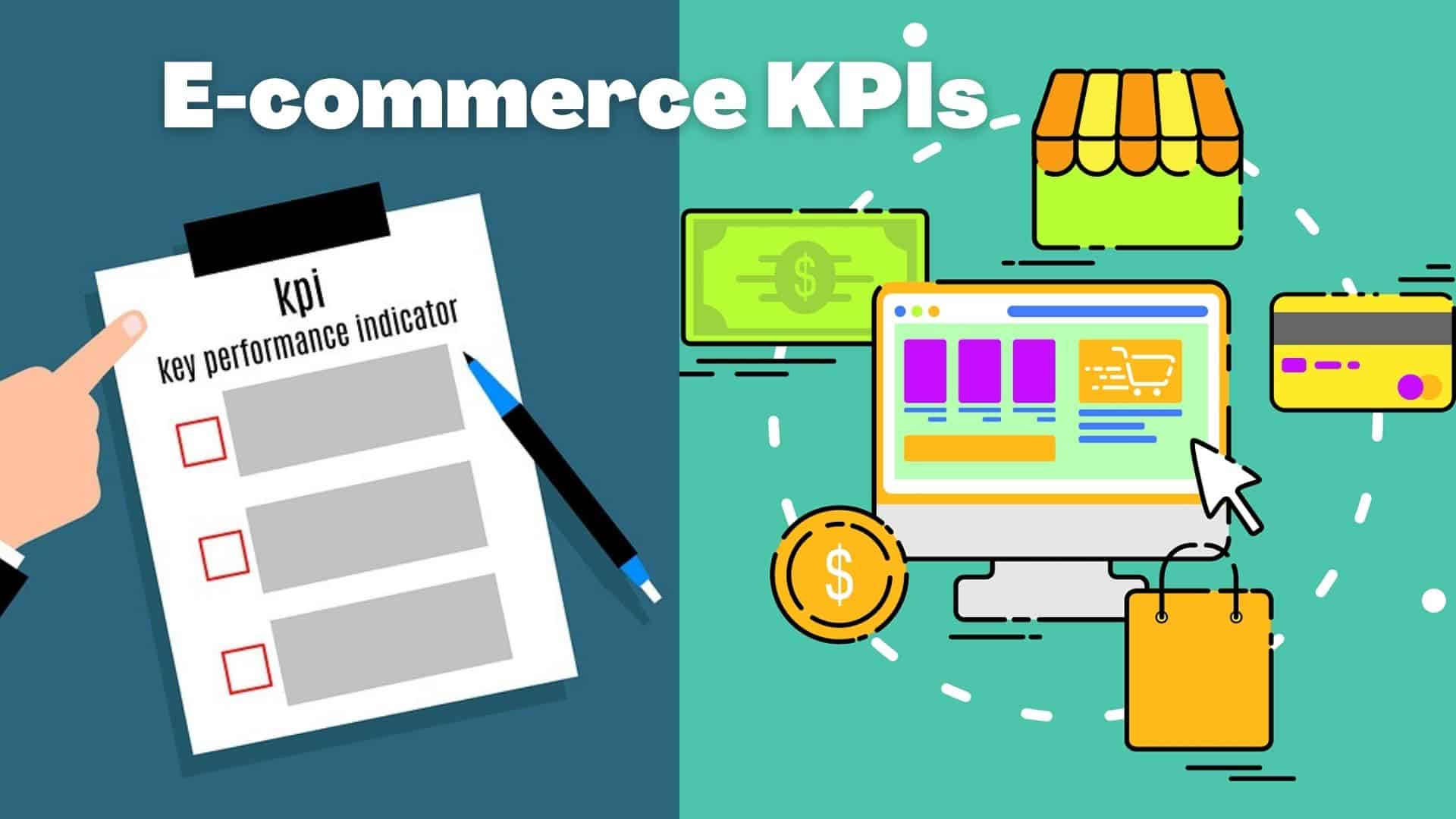
Control and evaluation are important functions in management because they ensure that the organization’s work plan runs smoothly and that the organization’s overall goals are met. A good performance management system is required to properly carry out the control and evaluation functions. A good performance management system must be capable of describing the business processes that occur throughout the organisation. KPIs (Key Performance Indicators) can be used to measure performance management systems and provide a good benchmark of success.

What are the KPIs for E-commerce?
See Also :
- Unfolding Innovations: E-commerce Marketing Trends of 2023
- How Chat GPT Can Be Used To Optimize Supply Chain Management
- Top 5 Software Development Trends for 2023
- Digital Marketing: A Constantly Evolving Field in 2023 With a Promising Future
- Metaverse – Evolution of the Internet
Definition of KPI
A KPI (Key Performance Indicator) is a metric that describes a company’s performance in attaining its business objectives.
KPIs are used by businesses to track their progress toward their goals.
Key performance indicators are measured in daily, weekly and monthly periods. A good KPI is important and constantly draws management’s attention. When someone deviates from the KPI, management has the authority to make a decision and summon the person in charge.

What are the KPIs for E-commerce?
The KPIs (Key Performance Indicators) will help you take your online retail business to the next level. E-commerce entrepreneurs can gauge success on sales, marketing, and customer service goals by tracking them.
In simple terms, performance metrics are measures of performance relative to some objective. Online retailers, for example, may aim to increase website traffic by 50% in the next few years. In this regard, a performance metric could be the number of daily visitors to your website or the source of traffic you receive from (pay-per-click advertising, search engine optimization, branding, etc.). You could also look at the sign or advertisement display, or a YouTube video).
Performance metrics provide information about several aspects of a goal – often more than enough – so it is common to narrow it down to a few key metrics that are high-impact. The most accurate method for measuring whether or not a business is making progress towards its goals is by using KPIs.
Criteria for classifying goals
It is important to know the goals and how the business sector impacts those goals before choosing KPIs. Each online retailer’s KPIs should be tailored to his or her specific goals, whether they are related to improving sales, marketing, or customer service.
The following are some examples of related goals and criteria:
The first goal is to increase sales by 10% in the next quarter. This can be measured by daily sales, conversion rates, and website traffic.
2nd Goal – Increase conversion rates by 2% next year. The KPIs are conversion rate, shopping cart abandonment rate, trend in shipping rates, and competitive pricing trend.
The third goal is to increase website traffic by 20% in the next year. The key performance indicators include website traffic, traffic sources, promotional click-through rates, social shares, and percentage of visitors.
4th Goal – For the following six months, cut customer service calls in half.Call categorization, identification of pages visited immediately prior to calls, and events leading up to calls are all examples of KPIs.
There are numerous performance indicators, and the value of these indicators is directly related to the progress of the measured goal.
Monitoring the page someone visits before calling customer service makes sense as a KPI for GOAL 4 because it can help identify areas of confusion that can be corrected.
Although the fix will reduce customer service calls, the same performance metric will be nearly useless for GOAL 3.

E-commerce KPIs
Explore Supply Chin Jobs
Once you have established your goals and selection criteria, tracking these metrics should become a daily activity. And most importantly, Performance is what determines business, and you should use KPIs to run the business.
Popular Posts :
- Best Supply Chain Jobs for Freshers
- Procurement Career in India (2025 Guide): Roles, Skills, Salary & Growth Path
- Top 10 Highest Paying Supply Chain & Logistics Jobs in India 2025
- Logistics Manager Interview Questions And Answers
- How to Get an Entry-Level Supply Chain Job
- Global Value Chain (GVC): Meaning, Types, and Key Stages Explained
- Global Distribution Network Explained: Strategies, Benefits & Future Trends
- How to Start a Career in Logistics
- Is Supply Chain a Good Career Option?