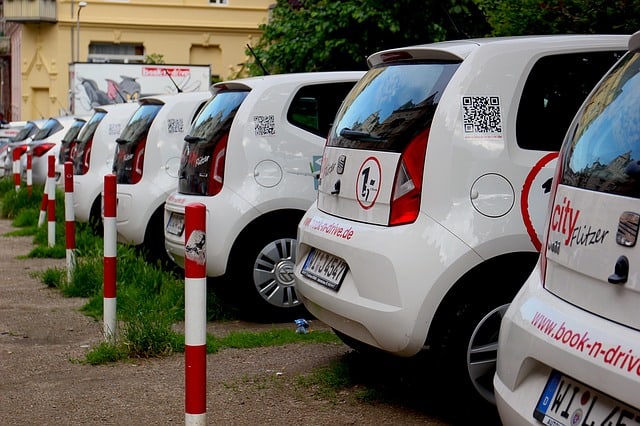

In a logistics or transportation company, the fleet manager plays a key role. He is responsible for the selection and maintenance of vehicles, in order to keep deliveries and distributions on schedule and within the established budget. And it is from him that the management expects excellent results, each time with less costs. Keep reading to understand the Fleet Manager Job Description and what the challenges are, what you need to know to be a successful fleet manager and also some tips to facilitate routine and career development in the area!
See Also :
- How to Write a Supply Chain Resume Objective in 4 Steps
- What Does A Supply Chain Analyst Do?
- E-Commerce Manager Job Description
- Material Planner Job Description
- Role of a Freight Forwarder
- Fleet Manager Job Description
Fleet Manager Job Description
Search Jobs – CLICK HERE
To be successful, the fleet manager needs significant experience and skills in operations, logistics and technology, as well as, of course, leadership skills to deal with different professionals involved in the day-to-day operations.
Fleet manager responsibilities
Several functions are under the responsibility of a fleet manager: this varies from company to company. But, in general, it is he who does:
- leadership of drivers and vehicle maintenance professionals;
- fuel efficiency tracking, making sure that proper licensing is maintained;
- control of service orders;
- ensuring the safety of workers;
- travel schedules.
- supervision of the quality of services;
- cost control (per trip, with maintenance, etc.);
- monitoring and control of risks involved in the operation of the fleet;
Functional tasks
- Managing and directing daily fleet activities, overseeing and registering fleet procurement operations.
- Selecting, training and supervising employees, and monitoring their level of performance and behavior in relation to goals
- Monitor the performance of operations and personnel against set goals, identify patterns, and take corrective actions.
- Carrying out maintenance activities, and coordinating equipment repair activities to ensure reduced downtime.
- Establishing policies and procedures to ensure compliance with health, safety and environment rules and regulations, and their implementation.
- Developing fleet strategies, policies and general plans related to daily operations and direct implementation of them.
Fleet manager challenges
The complexity of day-to-day operations also offers the fleet manager a number of challenges. Here are the main ones:
Effectively manage vehicle depreciation
Almost universally, the number one challenge for fleet managers is to control vehicle depreciation. The value of used cars has declined dramatically in recent years.
The main struggle is to delay replacement and, at the same time, not spend so much on maintenance.
Manage spending in the face of fluctuating fuel prices
Fluctuations in fuel prices make it difficult for fleet managers to stay within a budget. They also raise the bar when it comes to predicting future investments. The challenge is to learn how to budget for price changes.
Dealing with pressures to reduce fleet costs
The dilemma is – how to reduce expenses from a maintenance budget that is already tight? The most common cost containment initiative remains simply to keep vehicles in service for longer. Fleet managers are struggling to come up with new and creative ways to cut costs without negatively affecting the services they provide.
Manage people
The part of leadership that includes the relationship with drivers, mechanics and suppliers in general is also a challenge for every fleet manager.
It is not easy to get people to do their best in their daily work, especially when it comes to professionals who go to the field and have numerous safety rules, among others, to comply with.
This list of challenges is by no means comprehensive. Of course, there are other concerns, such as the impact of mergers, acquisitions and corporate reorganizations; the economic crisis that increases the pressure for more pompous results with few resources (including human resources); the use of technology to automate processes, etc.
Useful Health Tips – How to boost your Immunity
Main skills of a good Fleet manager
Organisational skills
Skill required of any manager, the organization has never been more charged than it is today. This includes dealing with pressures and having a good time management, that is, being able to get the job done within the established schedules.
The physical space of work must also be organized, in addition to the use of technological tools to create, find and share important information for the operation.
Leadership skills
More than a boss, the fleet manager needs to act as a leader. It is up to him to develop a winning team, deal with the particularities of each team member, mediate conflicts, in short, motivate people to extract the best result from them.
The productivity of the professionals being led is closely linked to the leadership profile to which they are submitted. A facilitating leader tends to have a team that delivers agile and quality services.
Ease with technology
Computerization has reached logistics and the fleet leader must be open to it. And there is no need for technical knowledge, just understand the importance of technological tools and count on partners who deliver tailor-made solutions to facilitate the day-to-day operational, store data and facilitate more agile and intelligent decision making.
Tips for success as a fleet manager
Go beyond the operational duties: keep everything related to fleet management under control, but also develop as a leader
Pursue quality: work with your team to be qualified and provide a differentiated service (with costs under control and good quality)
Firm good partnerships: have a win-win relationship with your suppliers, that is, be a partner of the companies and professionals that provide you with services.
Communicate: a good part of the problems that leaders have is linked to communication failures; Be informed and keep your employees always well informed, create ways to dialogue and exchange ideas; accept suggestions;
Work on the training of professionals: Often, the results may be less than expected because people do not have the necessary skills to deal with day-to-day challenges
Have a strategic role: with a more analytical vision, you will be able to stand out; prefer to delegate tasks and give autonomy to your team rather than to try to control everything obsessively.
Popular Posts :
- How to Start a Career in Logistics
- What Does a Logistics Professional Do? Jobs, Skills & Career Path in 2026
- Supply Chain Manager Interview Questions and Answers (2026)”
- Predictive Analytics in Supply Chain 2026: Powering Data-Driven Logistics Decisions
- E-commerce Logistics 2026: Smart Fulfillment, Automation & AI in Online Retail
- Green Supply Chain in 2026: Sustainable Logistics & Future Trends
- Warehouse Automation in 2026: Future Trends, Benefits & Technology
- How to Write a Supply Chain Manager Resume That Gets You Hired in 2026
- AI in Logistics 2026: How Artificial Intelligence is Transforming Global Supply Chains