
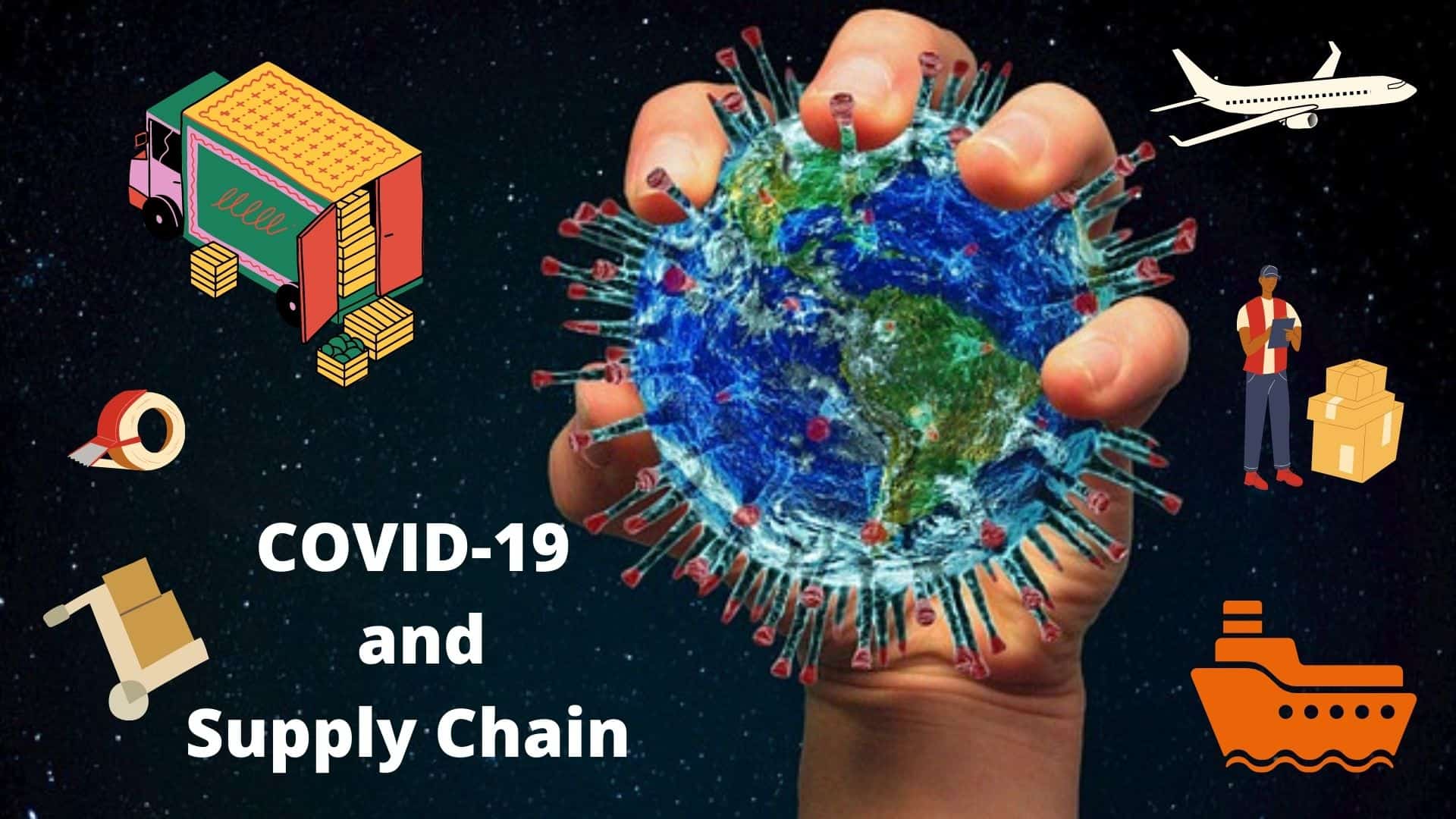

In such uncertain times, supply chain planning experts have to completely review their enterprise resource planning strategies so that they can be adapted in the long term. Past data has helped them find workable solutions, while balancing supply and demand has become much more difficult. When the COVID-19 pandemic began to make an agenda in early January 2020, only a few companies were prepared for supply chain disruptions. From raw material shortages to shipping delays, manufacturers have had to deal with a series of planning and scheduling conflicts that threaten the stability of their operations. In this article, we will explore some points on how COVID-19 is transforming the future of Supply Chain Planning
Search Jobs – CLICK HERE
How COVID-19 Is Transforming the Future of Supply Chain Planning
See also :
- How to Write a Supply Chain Manager Resume That Gets You Hired in 2026
- Top Supply Chain Skills Indian Employers Want in 2026
- How to Write a Supply Chain Resume Objective in 4 Steps
- What is Just in Time manufacturing (JIT)?
- Procurement Price Tracker that can monitor 4.3 billion prices
- History and Possible Forms Of Transportation
Supply
Supply chain planning has always been a top concern for manufacturing firms, but the current business environment has only accelerated the need for real-time data and accurate predictive tools. As noted in a recent article by Business Insider, calls for social distancing and self-isolation have created high demand for some products and completely eliminated demand for others. In addition, since many manufacturing companies rely on employees working closely together and labor-intensive processes, their tendency to mitigate this risk of contamination has only increased the frequency and scale of production delays. While many business leaders are optimistic about ultimately returning to normality, supply chain management is likely to be equally challenging in a post-COVID world.
Digitization of supply chain management
Effective supply chain planning, workflows, and organisation data require point-to-point visibility into core business practices, from the moment raw materials are supplied to the delivery of manufactured products to end consumers. By its very nature, supply chain planning is a forward-looking process aimed at managing current and emerging risks, anticipating future demand, and optimizing executive-level decision-making. More recently, supply chain management technologies have revolutionized the way manufacturers collect, store and use business data. According to Gartner, some of the main capabilities of supply chain planning tools include:
**Sales and operations planning
**Event planning and project management
**Demand planning
**Inventory management
**Strategic network design
**Deployment requirements planning
**Supply chain optimization
Undoubtedly, all supply chain planning processes rely on the right information and streamlined data sharing networks to develop immediate actionable solutions. Manufacturers should ensure that forecast figures are updated and accessible to contacts, including sales, operations, marketing, and senior managers. The same will be true for inventory management, as it requires both past data and forward-looking insights to balance supply and demand in an unstable business environment.
Reassessing supply chain planning processes
Modern supply chain management brings together a wide range of concepts that focus on maximizing production performance, reducing costs, and optimizing production planning. As new planning strategies are constantly being developed, manufacturers must remain at the most advanced level to adapt to global supply chain disruptions such as COVID-19. According to the Supply Chain Management Association, each business has seven basic supply chain planning principles to use:
Data management:
To maintain flexibility, manufacturers must create a “systematic” process for managing critical business data. This includes monitoring raw material costs, customer orders, production resources, supplier activities, and more. Without an integrated ERP solution, manufacturers may struggle to collect large amounts of data from different sources, limiting their ability to predict future supply and demand.
Collaborative processes:
Effective supply chain planning requires input from a variety of internal stakeholders, third-party suppliers, and B2B customers. This is especially important when normal sourcing channels are broken or previous forecast models have been proven to be incorrect. Manufacturing companies that can promote collaboration between different groups (with different business goals) can better adapt to changes in supplier networks and changing customer expectations.
Tactical planning resources:
When effective data sharing systems are implemented, manufacturers can better synchronize planning activities between different business units. However, in times of crisis, these channels of communication can deteriorate rapidly without a clear risk reduction strategy. Using supply chain management software and coordinating execution planning processes, manufacturers can simultaneously look for short-term solutions to supplier glitches while maintaining long-term profitability.
Data-driven forecasting:
Balancing supply and demand has become an art form in the interconnected business world, as global supply chains add significant complexity even in most simple planning processes. With a data-driven approach to production forecasting, manufacturers can better explain modeling errors, cumulative biases, and year-end volume changes.
Focus on point-of-sale data:
Instead of prioritizing sales orders and “sales” data, manufacturers should focus on “sales rate” criteria to get a more holistic picture of planning and scheduling performance. This not only helps supply chain experts manage inventories efficiently, but also leads faster decision-making processes by helping them identify activity-based fluctuations in supply and demand.
Lifecycle management:
To fill the gap between product development, production, and point-of-sale returns, manufacturing companies need to implement an end-to-end management strategy that evaluates the overall lifestyle of their products. Implementing this strategy can help business leaders clearly identify gaps in production planning and delivery expectations and return to new management processes in times of crisis.
Continuous improvement:
As the COVID-19 pandemic has shown, no supply chain is completely isolated from major outages. To maintain competition, manufacturers should constantly look for areas of improvement and develop new ways to make supply chain planning more responsive. One method is to include consumer and user behavior in the decision-making process, since this can help produce more accurate estimates and inventory management structures.
Useful Health Tips – How to boost your Immunity
It is impossible to say when global supply chains will return to a normal level, but this moment in history is sure to be a turning point for the supply chain industry.
Popular Posts :
- Best Supply Chain Jobs for Freshers
- How to Start a Career in Logistics
- What Does a Logistics Professional Do? Jobs, Skills & Career Path in 2026
- Supply Chain Manager Interview Questions and Answers (2026)”
- Predictive Analytics in Supply Chain 2026: Powering Data-Driven Logistics Decisions
- E-commerce Logistics 2026: Smart Fulfillment, Automation & AI in Online Retail
- Green Supply Chain in 2026: Sustainable Logistics & Future Trends
- Warehouse Automation in 2026: Future Trends, Benefits & Technology
- How to Write a Supply Chain Manager Resume That Gets You Hired in 2026
- AI in Logistics 2026: How Artificial Intelligence is Transforming Global Supply Chains
- Top Supply Chain Trends in 2026
- Top Supply Chain Skills Indian Employers Want in 2026
- Procurement Career in India (2026 Guide): Roles, Skills, Salary & Growth Path
- Top 10 Highest Paying Supply Chain & Logistics Jobs in India 2026
- Logistics Manager Interview Questions And Answers